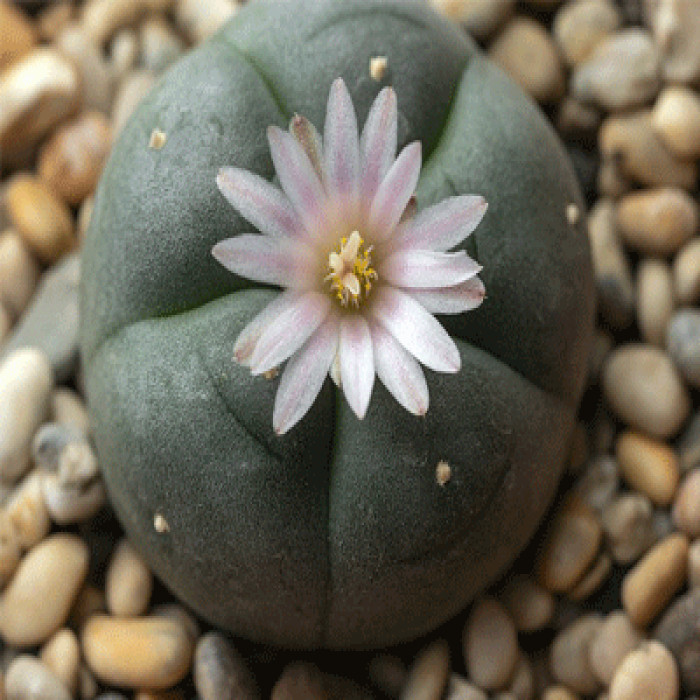
Mescaline is a naturally occurring psychedelic compound found in several cactus species native to North and South America. For centuries, certain indigenous communities have incorporated mescaline-containing cacti into traditional spiritual and ceremonial practices. Today, mescaline remains a topic of interest due to its powerful effects on perception, mood, and consciousness.
While some individuals seek mescaline for its mind-altering properties, it is important to understand the potential risks, side effects, and legal implications associated with its use. This guide explores what mescaline is, how it affects the body and mind, and what treatment options are available for those struggling with substance misuse.
What Is Mescaline?
Mescaline is a psychedelic alkaloid naturally present in certain cactus species, including peyote, San Pedro, and Peruvian Torch. When consumed, mescaline interacts with serotonin receptors in the brain, producing significant alterations in sensory perception, emotions, and thought patterns.
The substance is classified as a hallucinogen because it can cause visual distortions, enhanced sensory experiences, and changes in consciousness. Although mescaline originates from natural plant sources, its effects can be intense and unpredictable.
Common Street Names for Mescaline
Mescaline may be referred to by several different names depending on the region and context. Some commonly recognized terms include:
- Peyote
- Buttons
- San Pedro
- Mesc
- Medicine
- Big Chief
- Hikuli
- Tuna
Understanding these names can help individuals recognize discussions or references involving mescaline use.
How Mescaline Affects the Brain
Mescaline primarily influences serotonin receptors, particularly the 5-HT2A receptor. These receptors play an important role in regulating mood, perception, and cognition. By altering serotonin activity, mescaline changes the way users process sensory information and interpret their surroundings.
The onset of effects generally occurs within one to two hours after consumption. The experience can last anywhere from eight to twelve hours, making it one of the longer-lasting psychedelic substances.
Physical Effects of Mescaline
Mescaline can trigger various physical responses throughout the body. The severity of these effects often depends on dosage, individual health factors, and environmental conditions.
Common Physical Symptoms
- Increased heart rate
- Elevated blood pressure
- Dilated pupils
- Nausea and vomiting
- Reduced appetite
- Changes in body temperature
- Excessive sweating
- Muscle tension
- Difficulty with coordination
Individuals with cardiovascular conditions may face heightened risks due to the increased strain on the heart and circulatory system.
Psychological Effects of Mescaline
The psychological impact of mescaline often receives the most attention because of the profound changes in perception and awareness that can occur during use.
Potential Mental Effects
- Enhanced sensory perception
- Visual distortions
- Changes in time perception
- Intense emotional experiences
- Altered thinking patterns
- Heightened introspection
- Feelings of spiritual connection
- Changes in self-awareness
While some users describe these experiences as meaningful, others may encounter confusion, fear, anxiety, or panic. Individual reactions can vary significantly.
Risks Associated with Mescaline Use
Despite its natural origin, mescaline is not without risks. The effects can be psychologically challenging and may lead to harmful situations if proper precautions are not taken.
Mental Health Risks
- Anxiety and panic attacks
- Paranoia
- Disturbing hallucinations
- Emotional distress
- Worsening of underlying mental health conditions
- Persistent perceptual disturbances in rare cases
Physical Risks
- Elevated heart rate and blood pressure
- Accidental injuries due to impaired judgment
- Dehydration and physical discomfort
- Complications for individuals with heart conditions
People with a personal or family history of psychotic disorders may face an increased risk of experiencing severe psychological reactions.
Is Mescaline Addictive?
Mescaline is generally considered to have a lower addiction potential than substances such as alcohol, opioids, or stimulants. It does not typically produce physical dependence or significant withdrawal symptoms.
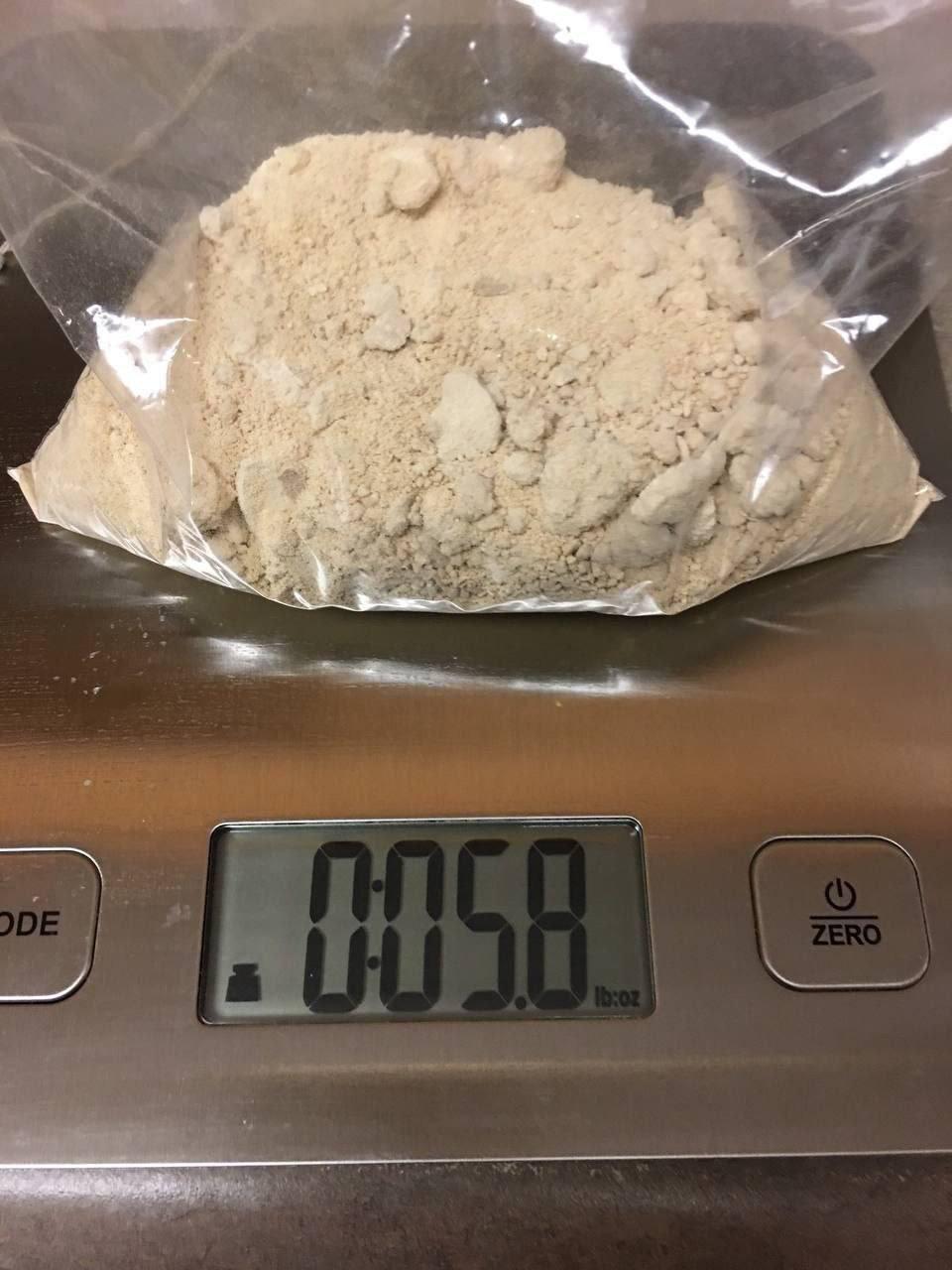
However, psychological dependence can still develop in some individuals. Repeated mescaline dried for sale may become problematic when the substance is used as a primary coping mechanism or escape from emotional challenges.
Signs of Problematic Use
- Persistent thoughts about obtaining or using mescaline
- Using despite negative consequences
- Neglecting responsibilities
- Relationship difficulties related to substance use
- Using to avoid emotional issues
Recognizing Mescaline Abuse
Mescaline abuse involves patterns of use that negatively affect a person's health, relationships, work, or daily functioning. Warning signs may include increased frequency of use, larger doses, risky behaviors, and continued use despite experiencing adverse effects.
Early intervention can improve outcomes and reduce the likelihood of long-term complications.
Treatment Options for Mescaline Misuse
Although specialized treatment programs specifically targeting mescaline are relatively uncommon, individuals struggling with hallucinogen-related problems can benefit from several evidence-based approaches.
Effective Treatment Methods
- Cognitive Behavioral Therapy (CBT)
- Individual counseling
- Group therapy programs
- Family therapy
- Mental health treatment for co-occurring disorders
- Holistic recovery approaches
Treatment plans often focus on addressing underlying emotional, psychological, and behavioral factors that contribute to substance use.
Support and Recovery
Recovery from problematic substance use is possible with the right support system. Professional counseling, peer support groups, healthcare providers, and community resources can all play valuable roles in helping individuals build healthier coping strategies and improve overall well-being.
Seeking help early can make a significant difference in preventing long-term consequences and supporting lasting recovery.
Final Thoughts
Mescaline is a powerful psychedelic substance capable of producing significant changes in perception, mood, and consciousness. While some individuals are drawn to its historical and cultural significance, it is important to understand the potential health risks and psychological effects associated with its use.
Education, awareness, and access to appropriate support services remain essential for promoting informed decision-making and helping individuals who may be experiencing challenges related to substance use.